How Squirrels Adapt So Successfully to Human Environments

Squirrels demonstrate a notable ability to adapt to human environments. They thrive in various habitats ranging from dense forests to urban areas, including parks and residential neighborhoods. The success of squirrels in human environments is often due to several factors, including their varied diet, unique physical characteristics, and impressive reproduction rates.

Varied Diet

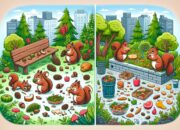
Squirrels are largely herbivorous, eating a wide range of plants, nuts, and seeds. This diet contributes significantly to their adaptability. Within urban environments, squirrels often find food in bird feeders, compost bins, and even garbage cans. Not dependent on a specific food source, squirrels can adapt easily to the food available in human-populated areas.

Physical Adaptations

Squirrels possess unique physical characteristics that allow them to live comfortably in human environments. Known for their agility, squirrels are good climbers and jumpers. This trait helps them to navigate high tree branches and fences, making them thrive even in urban areas with substantial human presence.

Moreover, their small size offers them some advantage too. Being small allows them to enter and nest in small spaces such as attics, chimney flues, and gaps in buildings. Therefore, squirrels can coexist with humans by capitalizing on the housing architecture prevalent in cities and towns.

Rapid Reproduction

Another factor contributing to the squirrel’s success in human environments is their rapid reproduction rate. Most squirrel species breed twice a year and can have multiple offspring during each breeding cycle. This rapid rate of reproduction allows them to maintain or grow their populations, even in areas with human threats or environmental changes.

Challenges and Impacts

While squirrels have adapted to live successfully in human environments, they also encounter challenges. For instance, traffic can pose a significant hazard to their lives. In addition, humans sometimes regard them as pests due to their habitation in attics and other unwanted areas, often leading to human intervention in their habitats.

In some cases, their success in adapting to human environments can create problems for humans and other animal species. For instance, when squirrels take up residence in people’s homes, they can cause property damage and may pose a potential health risk. Furthermore, squirrels that are dependent on human-provided food can disrupt local ecosystems by out-competing native animal species for resources.

Conclusion

Squirrels demonstrate remarkable adaptability to human environments, with their varied diet, adept physical attributes, and rapid reproduction rates contributing to their resilience. They represent wildlife’s unique ability to coexist with humans, despite the significant alteration of natural habitats that comes with urban development. However, they also pose some challenges which often warrant a responsible management approach to prevent potential conflicts between humans and this adaptable wildlife species.
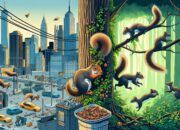
Common Misunderstandings About Squirrel Behavior

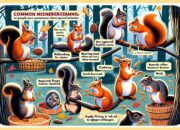
Squirrels, furry organisms commonly seen scampering through parks and forested areas, have intricate behavior patterns that are often misunderstood. In this article, we will examine those misconceptions, focusing on squirrels in North America, particularly Ontario, and clarify their behavioral traits.

Misunderstanding 1: Squirrels are primarily nocturnal

Squirrels, specifically the grey squirrels seen in Ontario, are associated with nocturnal activity. However, this is a misconception. They are not nocturnal; they are in fact diurnal. These squirrels are most active during early morning and late afternoon.

Misunderstanding 2: All squirrels hibernate

Not all species of squirrels hibernate in winter months. Grey squirrels, common in North American regions including Ontario, do not hibernate, but are less active during colder months. When residents of Ontario experience a lack in squirrel sightings, it often stems from this slight change in activity, which is mistaken for full hibernation.

Misunderstanding 3: Squirrels are solitary

While many people perceive squirrels as solitary animals, observations from the region contradict this claim. Despite occupying individual nests and appearing to forage independently, squirrels are social animals. They frequently participate in communal activities such as grooming and play, indicating social behavior.

Misunderstanding 4: Squirrels forget where they hide their food

There is a widely believed claim that squirrels forget the locations of their food caches. In reality, squirrels are known for their excellent spatial memory. Field reports indicate that they employ various strategies to recall precise locations where their food is hidden.

Misunderstanding 5: Squirrels are herbivores

Although primarily plant-eaters, squirrels are not strictly herbivorous. They are omnivores and sometimes feed on insects, eggs, and small birds for their protein needs.

Misunderstanding 6: Squirrels do not thrive in urban environments

Contrary to the belief that squirrels only occupy forests and parks, squirrels thrive in a wide range of environments, including urban ones. Infrastructure age and structure diversity in cities like Toronto, Canada’s most populous city, provide a suitable habitat for squirrels. Moreover, the increased availability of food in urban areas contributes to their survival.

Adhering closely to actual squirrel behaviour gives an accurate record of their lifestyle and actions. Also, it can help to manage human-squirrel interactions, especially in densely populated areas like Ontario. A correct understanding of their behavior is essential in minimizing conflicts and promoting a harmonious coexistence with this common, yet often misunderstood, wildlife species.

Understanding these misconceptions can also be beneficial for public health and municipal regulations, as well as aid in the development of wildlife organizations and animal studies. Remember, it is necessary to respect and protect wildlife in their natural habitats.

In conclusion, squirrel behavior extends beyond the common generalizations and misconceptions. The way these creatures scurry up trees, store food, and interact within their communities is intrinsically connected to their survival techniques. Breaking down the misconceptions surrounding squirrels leads to a greater understanding of these intriguing species and fosters a more compassionate coexistence.

The Role Squirrels Play in Urban and Forest Ecosystems

Introduction

Squirrels play a key part in both urban and forest ecosystems. These bushy-tailed mammals hold a vital role in nature’s balance, performing tasks that encourage plant growth, offer food sources, and provide habitats for other species. Observing them in different environments can enhance our understanding of their significance to our ecosystem.

Squirrels in Forest Ecosystems

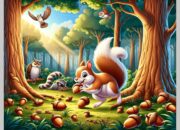
In forest environments, squirrels have numerous tasks. They serve as primary agents of seed dispersal, which is crucial for forest regeneration. This happens when squirrels store seeds and nuts for future consumption by burying them in various locations, a behavior known as caching.

With their excellent memory, some squirrels will recover and use stored food. However, they do forget about some cache spots or choose not to eat everything they bury. The buried seeds and nuts then have the opportunity of germinating and growing into new plants, aiding forest renewal and growth.

Squirrels also act as a food source for predators, contributing to the forest food chain. Species including birds of prey, snakes, and larger mammals prey on squirrels, keeping the population in check and providing balance in the ecosystem.

Squirrels in Urban Ecosystems

In urban ecosystems, squirrels also play a notable role. They help in the dispersion of seeds and contributing to urban greenery. Despite the frequent human activity and landscape changes in urban environments, squirrels adapt well.

Although sometimes seen as pests, they assist in maintaining robust urban biodiversity. Their nests, typically built high in trees, provide shelter for other creatures such as birds and some insects.

Just like in forest settings, urban squirrels contribute to the food chain, serving as a diet for urban predators like hawks and foxes. This predator-prey relationship is important in preserving the balance of an urban ecosystem.

Impact on Human Lives

Squirrels have a unique position in human life. They bridge the gap between humankind and nature by being one of the few wild animals that have adapted to city life. Often, they become a source of intrigue and amusement due to their curious and agile nature. But at times, they can pose challenges, especially when they seek shelter in human homes, leading to potential destruction of property, or when they consume crops in urban gardens.

While they may cause some issues, their presence underscores the importance of urban ecosystems and the need for coexistence between humans and wildlife. They contribute to ecological education, teaching residents about local wildlife and the importance of urban biodiversity.

Legal and Ethical Considerations

Most regions have specific laws regarding the treatment of squirrels. While some consider these creatures as pests, many places institute regulations protecting squirrels, especially those unique to a locale or those facing potential extinction. People should be mindful of these rules for ethical and legal compliance, ensuring the welfare of squirrels and broader biodiversity.

Conclusion

Squirrels substantially contribute to the balance and breadth of both urban and forest ecosystems. Their activities, while generally unremarkable, drive processes that significantly shape our environment. As such, understanding and respecting their role further feeds into our shared duty of safeguarding our ecosystems and promoting the welfare of all species that inhabit them.

How Squirrels Change Their Behavior Through the Seasons

Squirrels are a common sight in many urban and suburban areas. They are known for their agility, their quick movements and their somewhat playful nature. However, squirrels are also survivors who are highly adaptable to their surroundings. Over the passage of seasons, squirrels adjust their behavior to ensure their survival. Looking at how squirrels shift their behaviors in varying seasons can provide fascinating insights into their survival strategies.

Springtime Activity

Spring is a crucial time for squirrels. The temperature starts to rise, food becomes more abundant, and it is the time for mating. Squirrels become more energetic during this season. Observations from the region indicate that squirrels have two peak period of activity in the spring, which happens usually at dawn and dusk. During these times, squirrels can be seen collecting food, interacting with other squirrels, or chasing potential mates.

Summer Period Adjustment

As summer sets in, squirrels still maintain high levels of activity. However, their behavior changes slightly. It is common to observe squirrels resting during the hottest periods of the day. In many cases, squirrels can be seen stretched out in shady areas or retreating to their nests to avoid the high midday temperatures. To compensate for this downtime, squirrels are often most active during the cooler hours of the early morning and late evening.

Autumn Preparations

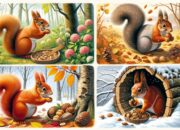
Autumn is a critical period for squirrels in preparation for the winter season. During this time, squirrels are notably focused on food collection. They collect acorns, nuts, seeds, and other types of food, which they store in their nests or bury in the ground for future use. It’s common to observe them running, digging and hiding food, which is part of their strategy for survival during the coming winter months. Despite the cooling temperatures, squirrels maintain high levels of activity during daylight hours.

Wintertime Survival

Winter is a challenging time for squirrels due to the scarcity of natural food sources and the cold temperatures. To survive, squirrels reduce their activity levels significantly. In many cases, they enter a state of torpor—a short-term hibernation allowing them to conserve energy by lowering their metabolism and body temperature. They rely heavily on the food stores they collected during autumn. Despite the reduced activity, squirrels can still be seen occasionally foraging for food during milder winter days.

Squirrel Adaptations and Misconceptions

Despite appearing cute and playful, squirrels are hardy survivors with remarkable adaptations. Their varied behaviors across seasons are testament to their ability to respond to environmental conditions, especially the changing availability of food and differing weather conditions.

One common misconception about squirrels is that they hibernate during winter. While it’s true that their activity reduces during the harsh winter months, squirrels do not fully hibernate like some other mammals. Instead, they employ the aforementioned state of torpor.

Squirrels are agile, adaptable creatures that have successfully co-existed alongside humans in urban and suburban settings. By understanding their seasonal behaviors, we can coexist with these remarkable creatures while also appreciating the essential role they play in our shared ecosystem.

Why Squirrels Are Active During the Day

Squirrels, particularly those native to North American regions, exhibit a specific routine of active hours. This behaviour or schedule is known as the animal’s circadian rhythm. Squirrels, as reported in many field studies, tend to be active during the day. This phenomenon is part of their biological clock, which is bound by genetic make-up and external stimuli like sunlight and temperature.

The Science Behind Squirrels’ Diurnal Routine

Unlike many nocturnal animals, squirrels, specifically tree squirrels, depend on their eyesight a lot. Their vision helps them locate food, escape predators, and move swiftly through trees. Because their eyesight plays such a pivotal role in their survival, these animals become most active during the day when visibility is at its max.

Observations from several regions suggest squirrels are most active during two specific periods during a 24-hour cycle – early morning and late afternoon. These periods prevent the extreme temperatures of mid-day but provide enough light for efficient navigation and task performances.

Adapting to Predators’ Habits

The activity patterns of squirrels also reflect the habits of their primary predators. Owls and hawks, major predators of tree squirrels, hunt primarily during the peak day and night hours. By being active in the early morning and late afternoon, squirrels effectively decrease the overlap with their predators’ hunting hours.

Effects of Seasonal Changes

Squirrels adapt themselves according to the seasonal variations. For instance, in winter, due to the shorter days and colder temperatures, squirrels may tweak their activity schedule. They become active a little later in the morning and return to their nests a bit earlier in the evening to avoid extreme cold.

During spring and summer, squirrels take full advantage of the longer daylight hours. This additional time in the sunlight allows them more opportunities to forage for food and stock up for the colder months.

Common Misconceptions

Despite popular belief, not all squirrels follow a diurnal routine. For example, the flying squirrel prefers to be active at night – revealing a characteristic of being nocturnal. They have evolved separately from tree squirrels and have developed night-vision capabilities and behaviours better suited to darkness.

Squirrels’ Impact on Urban and Suburban Areas

In many suburban and urban areas, especially those with abundant green spaces, day-active squirrels are a common sight. They often feed on garden plants, which, while sometimes disruptive for homeowners, can be seen as part of the area’s natural ecosystem.

Meanwhile, in regions where construction and development have reduced green spaces, there have been reports of an increase in squirrel activity during twilight hours. As human activity decreases, it may provide a safer time for squirrels to venture out and search for food.

Conclusion

Squirrels’ daytime activity is a fascinating aspect of their behaviour, firmly rooted in their biology and influenced by external factors. Though exceptions exist, most squirrel species have effectively adjusted to a diurnal routine, fulfilling their needs while navigating potential threats. Despite occasional disruptions to human habitation, squirrels are an integral part of the ecosystem, contributing to the natural cycle of life. By understanding their habits and respecting their roles in our local environments, we can coexist peacefully with these agile and delightful creatures.

How Squirrels Use Trees, Roofs, and Attics for Shelter

Squirrels are one of the most familiar sights across numerous cities and regions. These ingenious creatures have a knack for finding the most convenient and sheltered spots to call home. Among their preferred locations, trees, roofs, and attics often emerge as top choices. Understanding their housing behavior offers insights into their adaptive survival methods in urban settings.

Trees: The Classic Home for Squirrels

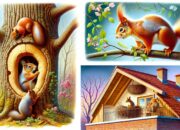
Trees serve as natural habitats for squirrels. These critters find shelter in tree cavities, which provide protection against predators and harsh environmental conditions. Squirrels’ nests, often called dreys, are primarily located on tree branches. The drey consists of sticks, leaves, and other foliage, forming an insulated and secured structure for rearing young ones.

In some cases, squirrels also build nests in branches high up in trees. These nests are made from leaves and twigs, giving them a leafy, round appearance. It’s typical to find these nests 20 to 30 feet above the ground. Squirrels find trees attractive dwellings as they offer easy access to food sources like acorns and seeds.

Roofs and Attics: Adaptation to Urban Environment

Roofs and attics are increasingly becoming popular homes for squirrels, especially in urban or suburban areas where larger trees may be sparse. Squirrels choose roofs and attics mainly for the shelter, warmth, and safety they offer. They generally make their way to these areas via overhanging branches or power lines.

Once they find an access point, such as a weak spot in the roof or an open window, squirrels can easily chew their way into the attic. Inside, they find a safe, warm, and quiet place to build nests and rear their young. However, such an invasion can cause significant damage to the structural integrity of the building.

Common Misconceptions About Squirrels’ Habitats

Many people believe that squirrels only live in trees. While it’s true that trees are the natural habitat of squirrels, urban and suburban squirrels show a significant adaptation to human-made structures like attics.

Another misconception is that squirrels like to live alone. While they are solitary creatures, in colder climates, squirrels will often share nests to keep warm.

One more misunderstanding is that squirrels hibernate during winter. This belief is incorrect. Instead, squirrels build up their food stores during the fall to prepare for periods of food scarcity in winter.

Persistent Challenges With Squirrel Infestations

Despite their innocent appearance, squirrels can pose severe problems for homeowners when they take up residence in roofs or attics. Their constant gnawing can result in considerable structural damage. Furthermore, they carry diseases and parasites which can be passed on to humans, posing a health risk.

Though many people attempt to remove squirrels themselves, these efforts often result in failure. Squirrels are tenacious creatures, and their persistence often means they will return after being removed. Also, handling squirrels can be risky due to the diseases they carry.

In cities or regions with stricter regulation, the legal removal of squirrels can impose additional constraints. Sometimes, regulations prohibit killing squirrels, or relocating them more than a kilometer away, which complicates mitigation efforts.

When squirrels choose trees, roofs, or attics as their habitats, they display their adaptability. Understanding their behavior can help homeowners anticipate and prevent potential issues. However, when confronted with persistent infestations, homeowners are advised to consult professional help. After all, cohabitation with squirrels requires a delicate balance between human needs and squirrels’ tenacity for survival.

What Squirrels Eat in Natural and Urban Environments

What Do Squirrels Eat?

Squirrels belong to the Sciuridae family, known for their agile bodies and bushy tails. They are omnivores, meaning their diet includes both plant and animal matter. Feeding habits vary based on species and surroundings. Observed patterns indicate that squirrels eat nuts, fruits, seeds, green vegetation, and occasionally insects and small birds in both urban and natural settings.

Foods Squirrels Eat in Natural Environments

In forests and woodlands, squirrels typically consume a range of natural foods. These include tree bark, tree buds, berries, pine seeds, acorns, mushrooms, and other forms of fungi. Here, their diet is often dictated by seasonal availability. For instance, acorns and other nuts make up most of their diet in autumn when these are plentiful.

Apart from plants, they also eat insects, bird eggs, and small birds, although in lesser quantities. They store surplus food in underground caches for the winter months when food is scarce.

Foods Squirrels Eat in Urban Environments

Urban-dwelling squirrels exhibit dietary habits often altered by their interaction with humans. Their diet in this setting regularly includes leftovers from human meals, including bread, pizza, and other food scraps. Access to household gardens also allows them to consume vegetables such as tomatoes and squash.

It is less common but not totally absent for urban squirrels to consume insects and bird eggs. However, availability and ease of access to human food often make this option less likely.

Diet Differences between Urban and Natural Environments

Although squirrels are flexible eaters and adapt well, their diet substantially differs between the city and the forest. Urban squirrels often have a more varied diet as they explore human trash and gardens for food. However, their reliance on human-generated waste can deprive them of essential nutrients derived from natural food sources.

In contrast, squirrels in natural habitats have a more regular dietary pattern. They mostly feed on seeds, tree buds, fruits, and occasionally, insects and small birds. Relying on these natural food sources provides a well-rounded diet with a balanced nutrient profile.

Misconceptions about Squirrels Eating Habits

A common misconception is that squirrels only eat nuts. While nuts form a substantial part of their diet, squirrels are not solely nut-eaters. They have a diverse diet that includes everything from seeds and fruits to insects and occasionally even small birds.

Constraints Affecting Squirrels’ Diet

Despite being adaptable, squirrels’ diet is limited by their environment and human interference. In urban areas, squirrels often resort to scavenging in trash cans due to the lack of natural food resources. This leads to a diet largely composed of scraps from human meals, which can cause them to be malnourished.

It’s also worth noting that squirrels’ diet fluctuates with the seasons. During the winter, food resources can become scarce, particularly in natural environments. This often leads to squirrels relying on their stored food caches.

In conclusion, squirrels adapt their diet to their surroundings, from natural forests to busy cities. Despite common misconceptions, their food intake is not just restricted to nuts but includes a diverse selection based on available resources. These adaptable creatures, despite facing challenges in both natural and urban settings, manage to consistently find sustenance, highlighting their impressive resilience. Still, their diet faces constraints like seasonal changes and human interference, which can severely impact their nutritional intake.

How Squirrels Live and Organize Their Territory

Squirrels are familiar figures in most regions around the world. These small creatures charm us with their energetic behavior, but few people understand their lifestyle and how they establish their territories. This article will delve into squirrel habits, focusing on how they live and organize their territory.

Squirrel Types

There are different species of squirrels. Some of them live in forested areas, while others thrive in urban environments. The two most common types are ground squirrels and tree squirrels.

Ground Squirrels

Ground squirrels live in burrows. They create complex tunnel systems that provide shelter and safe travel routes. Their territory often spreads over a wide area, including their food sources.

Tree Squirrels

Tree squirrels reside in nests built in trees. They prefer hardwood or coniferous forests, but they are also a common sight in urban parks and neighborhoods. Their territory is usually around their home tree and nearby food sources.

Territory Organization

Squirrels are territorial creatures. They form territories for protection and access to food and mates. The size of a squirrel’s territory often depends on the volume of food available.

Squirrels mark their territories using scent. They have well-developed scent glands which produce a unique smell that communicates ownership to other squirrels.

Another way squirrels assert dominance over an area is by vocal and physical displays. If an intruder enters their territory, the resident squirrel will make loud noises and chase the invader away.

Seasonal Changes

The size of a squirrel’s territory can change with the seasons. In warmer months, when food is abundant, territories can be smaller. However, during the winter, when food is scarce, squirrels can expand their range in search of sustenance.

Squirrel Social Structure

Squirrels are mainly solitary animals. Although they do not live in groups, occasionally, several squirrels might share a large territory. In such cases, the dominant squirrel maintains the prime territory area, which contains the best food and nesting sites.

Misconceptions About Squirrels

People often mistake squirrel’s playful nature for socializing. Their chasing and scurrying around is often territorial displays rather than a friendly game. Similarly, their gathering in areas rich in food doesn’t imply community sharing. They are, in fact, competing for resources.

Understanding Squirrel Behavior

Understanding squirrel behavior can be fascinating. Spotting a squirrel in your yard or local park gives you a chance to observe these creatures in action. You can watch them establish and defend their territories, scavenge for food, and go about their daily lives. Observing their behavior helps us understand and appreciate our local wildlife better.

Conclusion

Squirrels, though a common sight, are an interesting piece of our local wildlife. Their habits of living and territory organization reflect their resourcefulness and adaptability. Their behaviors, shaped by environmental, seasonal, and structural factors, are often misunderstood, highlighting the importance of understanding and appreciating squirrels in their natural or urban habitats.

The Different Types of Squirrels Found in Ontario

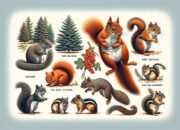
Ontario, a province in Canada, is home to a rich variety of wildlife. Among these creatures, squirrels are a common sight. Inhabiting city parks, suburban yards, and forested wilderness, squirrels contribute significantly to Ontario’s biodiversity. This article aims to provide in-depth information about the types of squirrels in Ontario, focusing on their identification features, habitats, and behaviors.

Eastern Gray Squirrel

The Eastern Gray Squirrel is one of the most recognized types in Ontario. Its fur, often silver-gray, can sometimes be black or even white. They measure up to 50 cm, inclusive of their bushy tails, which account for almost half their length. These squirrels prefer to dwell in deciduous forests but have adapted well to urban settings.

Red Squirrel

Red Squirrels, known for their reddish-brown fur and white underparts, are substantially smaller than their gray counterparts. The distinguishing features of this squirrel include its sharply pointed ears, often bearing tufts of hair. Forest environments, particularly those dominated by coniferous trees, are the favored habitats of Red Squirrels in Ontario.

American Red Squirrel

American Red Squirrels are similar to Red Squirrels in appearance but are more widespread in North America. Their characteristics include white underbellies, reddish-brown bodies, and grayish-white eye rings. Like Red Squirrels, they are more commonly found in coniferous forests.

Northern Flying Squirrel

One of two flying squirrel types in Ontario, the Northern Flying Squirrel, is relatively smaller. Despite their name, these squirrels do not actually fly. They have a membrane stretching between their fore and hind limbs, allowing them to glide between trees. Their primary habitats are mixed coniferous-deciduous forests, with a preference for older, more mature woodlands.

Southern Flying Squirrel

The Southern Flying Squirrel is the other type of flying squirrel in Ontario. Slightly smaller than the Northern Flying Squirrel, these creatures also have a gliding membrane and eyes that appear large due to their nocturnal habits. Their habitats overlap with their Northern counterparts, although they are found in greater numbers in more southerly regions.

Different Seasons, Different Activities

Seasons immense impact squirrel activities in Ontario. During the mild spring and summer months, squirrels are active in the daylight hours, foraging for seeds, nuts, fruits, and other food sources. Prior to the harsh winter season, they store food supplies and often spend the cold months in nests that provide warmth and protection.

Misunderstandings About Squirrels

Squirrels in Ontario are often misunderstood. Their scavenging habits sometimes bring them into conflict with humans, especially in urban environments. However, it is essential to understand that these creatures play a vital role in seed dispersal, aiding in the propagation of many tree species.

Takeaways

The diversity of squirrels in Ontario highlights the region’s rich biodiversity. Understanding their unique traits, habits, and interactions with their environment can help us coexist harmoniously with these small, fascinating creatures.

What a Squirrel Is and Why They Are Common in Canadian Cities

Squirrels are a type of rodent that is prevalent in cities across Canada. They are easily recognizable by their bushy tails, pointed ears, and quick, darting movements. There are several types of squirrels in Canada, including red squirrels, gray squirrels, and black squirrels, among others.

What is a Squirrel?

A squirrel is a small to medium-sized rodent that is part of the Sciuridae family. They have a thick fur coat, a slender body, and a long, bushy tail that aids in balance. Squirrels are omnivores, eating a variety of foods such as nuts, seeds, fruits, insects, and even small birds or eggs. This wide range of diet is one reason they can adapt to various environments, from forests to urban cityscapes.

Squirrels are also known for their keen sense of sight, hearing, and smell, making them adept at avoiding predators and finding food. They are excellent climbers, moving swiftly up and down trees, across branches, and along fences.

The Squirrel Population in Canada

In Canada, squirrels are a common sight, especially in urban areas. Cities provide an abundance of food and nesting sites for squirrels. They are often seen foraging in parks, yards, and garbage cans.

Squirrels in Canadian cities have been observed to be more active during the day, particularly in the morning and late afternoon. This pattern is a result of the plentiful food sources available in the daytime, including leftovers from human activities.

How Squirrels Impact Urban Environments

The presence of squirrels in urban settings also affects the environment in various ways. For example, they can impact tree health by stripping off tree bark and eating buds, leaves, and shoots. However, they also play a role in tree propagation, as squirrels often forget some of the nuts they bury, which can eventually germinate into new trees.

Furthermore, squirrels’ digging behavior can cause minor damages to lawns and gardens. On the other hand, they are known to eat insects and pests, which can aid in controlling such populations.

While squirrels are often seen as a nuisance, they are part of the urban ecosystem and contribute to its biodiversity.

Misconceptions About Squirrels

One common misconception about squirrels is that they hibernate during the winter. While it may seem like they have disappeared during the cold months, squirrels do not actually hibernate. They instead prepare for winter by gathering and storing food during the autumn months. In winter, they spend much of their time in their nests but will venture out during warmer periods to forage.

Legal Perspectives on Squirrels

In many parts of Canada, the handling and relocation of squirrels are regulated by law. This is due to ethical concerns and the potential spread of diseases. These laws vary by region, with some requiring a permit to remove squirrels from a property. It’s always suggested for individuals dealing with a squirrel problem to consult with local wildlife authorities or professionals in the field.

To conclude, squirrels are a common part of the urban landscape in Canadian cities. Despite their potential drawbacks, they serve an essential role in the ecosystem, adding to the rich tapestry of urban wildlife. By understanding their behaviors and patterns, residents can coexist peacefully with these agile and resourceful creatures.